
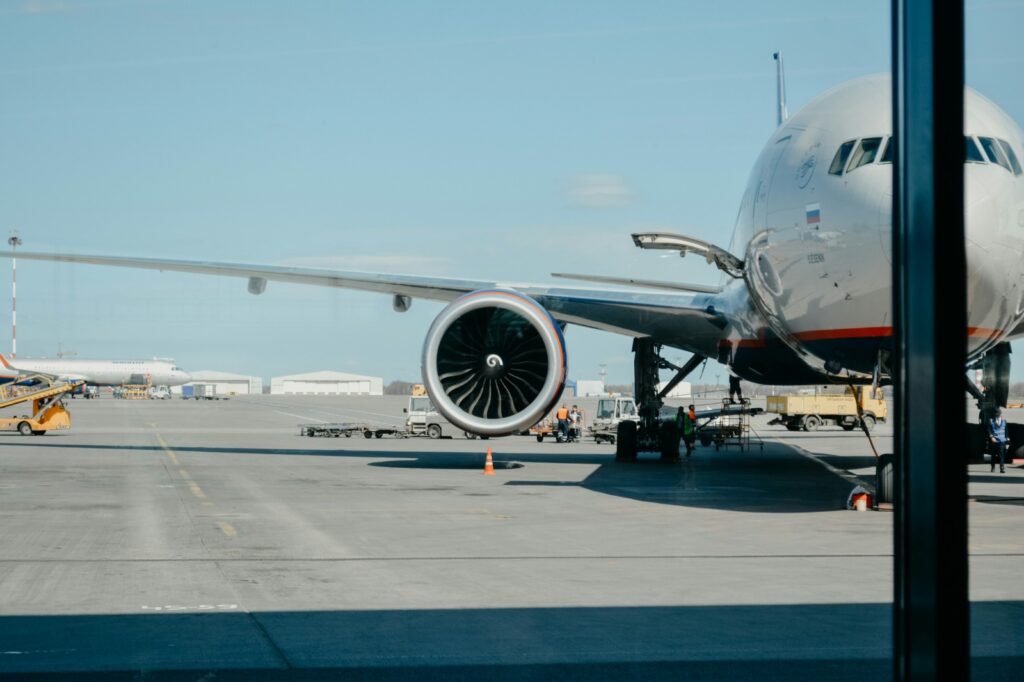
The economic impact of aviation in the UAE is profound, driving growth across multiple sectors. In 2023, the industry, including related tourism, generated $92 billion, representing 18.2% of the nation’s GDP and supporting nearly 992,000 jobs. This positions the UAE as a leading global aviation hub, fueled by strategic investments in infrastructure and innovative regulations.

Historical Evolution of UAE Aviation
The UAE’s aviation sector has transformed dramatically since the 1970s. Starting with modest airports, the country invested heavily in expanding facilities to match its ambitious vision. Dubai International Airport (DXB) and Abu Dhabi International Airport (AUH) emerged as key gateways, connecting the East and West.
Early developments focused on oil revenues to fund aviation growth. By the 1980s, Emirates Airline was established, marking a pivotal shift toward diversification. This move reduced dependency on oil and boosted non-oil sectors like tourism and trade.
Today, the sector’s evolution reflects smart policies from bodies like the General Civil Aviation Authority (GCAA). These regulations ensure safety, efficiency, and sustainability, attracting international carriers and passengers alike.
Current Economic Contributions
Aviation’s direct contributions are substantial. In 2023, it directly employed 206,800 people, generating $26.6 billion in economic output, equivalent to 5.3% of total GDP. When including supply chain effects, induced impacts, and tourism, the total rises significantly.
Key highlights include:
- GDP Contribution: 18.2% overall, with Dubai’s aviation sector alone adding AED 137 billion (about $37.3 billion), or 27% of the emirate’s GDP.
- Job Creation: Supports 992,000 jobs nationwide, including 631,000 in Dubai. Roles span pilots, engineers, ground staff, and hospitality workers.
- Tourism Boost: Aviation-facilitated tourism added nearly $12 billion to Dubai’s economy in 2023. Attractions like Burj Khalifa and Palm Jumeirah draw millions annually.
These figures underscore aviation’s role in economic diversification, aligning with the UAE Vision 2031 goals.
Infrastructure Investments Driving Growth
The UAE’s commitment to world-class infrastructure is evident in mega-projects. Al Maktoum International Airport (DWC) expansion aims to handle 260 million passengers by 2050. Investments exceed $35 billion, incorporating smart technologies like biometrics and AI for seamless operations.
Abu Dhabi’s Midfield Terminal enhances capacity, while Sharjah and Ras Al Khaimah airports support regional growth. These developments not only increase passenger traffic but also cargo handling, vital for e-commerce and logistics.
Smart regulations, including open skies policies, foster competition and innovation. Partnerships with global firms ensure compliance with international standards, reducing environmental impacts through sustainable aviation fuels.
Aviation’s Influence on Tourism and Business
Aviation connects the UAE to over 250 destinations, making it a prime tourism spot. In 2023, Dubai welcomed 17 million visitors, many arriving via air. This influx supports hotels, retail, and entertainment, contributing billions.
For business, aviation enables conferences like GITEX and Dubai Airshow. Free zones like Dubai Airport Freezone attract multinationals, leveraging proximity to airports for efficient operations.
The sector also promotes cultural exchange, with events like Expo 2020 highlighting the UAE’s global appeal. As a result, aviation indirectly boosts the real estate, education, and healthcare sectors.
Supporting Services: Luxury Chauffeur Transfers
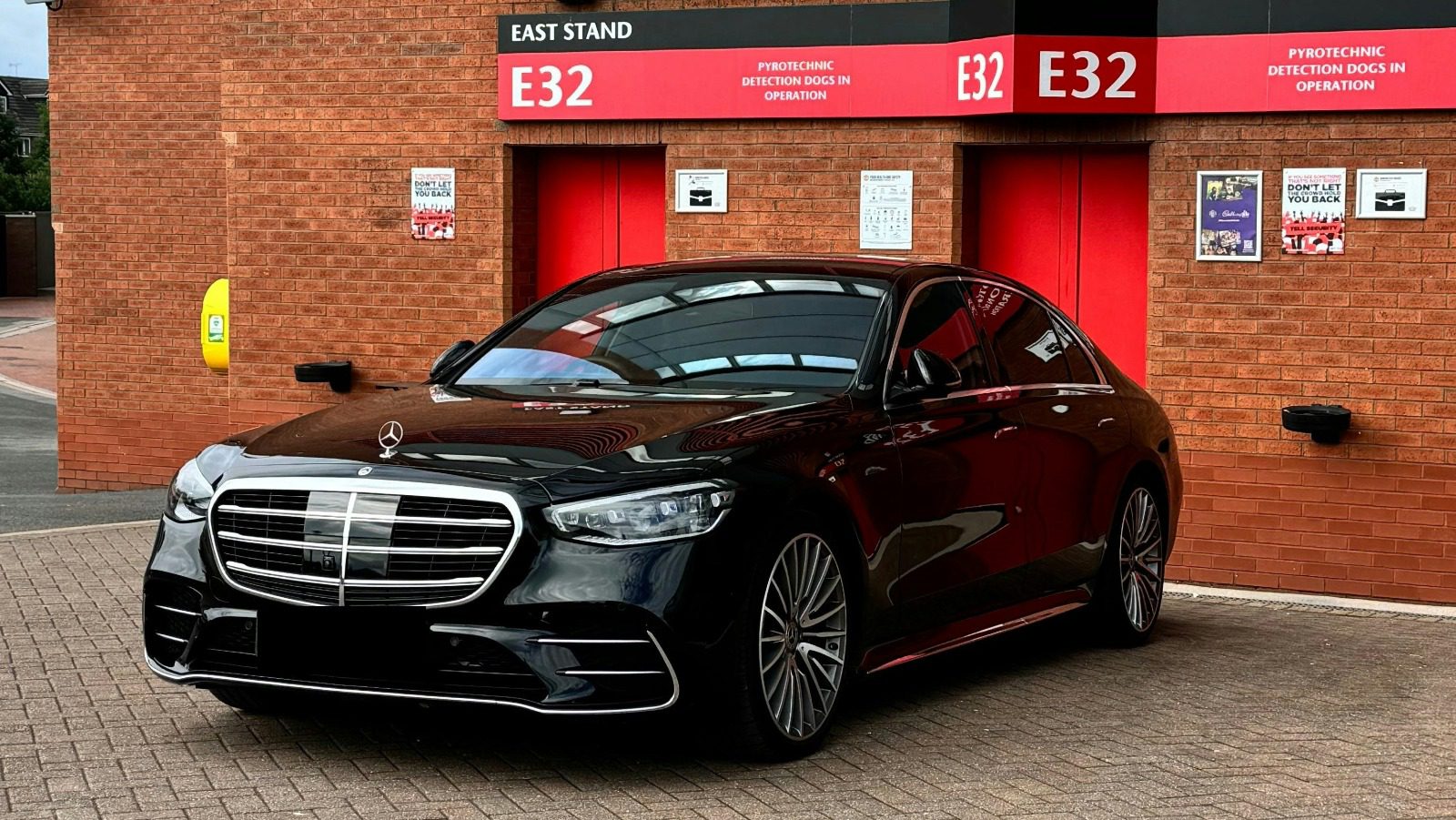
To complement aviation’s connectivity, ground transportation services play a crucial role. For arriving passengers, seamless transfers enhance the overall experience. Riderzone Chauffeur Services offers premium options, ensuring luxury from the airport to the destination.
Available luxury cars include:
- Mercedes-Benz S-Class for ultimate comfort and elegance.
- BMW 7 Series, known for advanced technology and smooth rides.
- GMC Yukon, ideal for larger groups with spacious interiors.
- Lexus LS, providing refined Japanese engineering and reliability.
These vehicles are equipped with Wi-Fi, refreshments, and professional drivers trained for safety.
Expected pick-up and drop-off locations cater to travelers’ needs:
- Dubai International Airport (DXB) for international arrivals.
- Abu Dhabi International Airport (AUH) for capital city connections.
- Iconic hotels like Burj Al Arab or Atlantis the Palm.
- Business districts such as Dubai International Financial Centre (DIFC) or Abu Dhabi Global Market (ADGM).
- Tourist hotspots include Dubai Mall, Yas Island, and Sheikh Zayed Grand Mosque.
Booking with Riderzone Chauffeur Services ensures punctual, discreet service. Our Dubai-specific offerings include 24/7 availability, perfect for jet-lagged executives or families. For more details, visit their Instagram page or Facebook.
Integrating such services increases aviation’s economic benefits by creating additional jobs and revenue streams.
Challenges and Sustainability Efforts
Despite growth, challenges like geopolitical tensions and fuel prices persist. The UAE addresses these through diversification and resilience planning.
Sustainability is key, with initiatives for net-zero emissions by 2050. Emirates and Etihad invest in biofuels and efficient aircraft, reducing carbon footprints.
Post-COVID recovery showed aviation’s adaptability, with passenger numbers rebounding to pre-pandemic levels by 2023.
Future Outlook for UAE Aviation
Looking ahead, the sector is poised for expansion. By 2030, Dubai’s aviation could support 816,000 jobs and contribute AED 196 billion to the economy. Investments in drone technology and urban air mobility promise new frontiers.
The UAE’s role as a re-export hub will strengthen, with air cargo volumes growing 5% annually. Collaborations with tech giants for smart airports will enhance efficiency.
Overall, aviation remains a cornerstone of the UAE’s prosperity, driving innovation and global integration.
In Summary
The economic impact of aviation in the UAE extends far beyond numbers, shaping a dynamic future. As the nation continues to invest, services like Riderzone ensure every journey is luxurious and efficient.